

Project management skills are crucial for successful project outcomes. These skills include a wide range of abilities that enable project managers to plan, execute, and oversee projects effectively. Understanding and mastering these skills is essential for ensuring projects are completed on time, within scope, and on budget.
In this article, we explore the essential project management skills every project manager should have. We will categorize these skills into three main types: hard skills, soft skills, and technical skills. Each category will be discussed in detail, providing practical tips for developing and improving them.
Now let’s dive into the key competencies that will elevate your project management game.
Understanding Different Types of Project Management Skills
Hard Skills for Project Managers
Hard skills in project management are the technical competencies and knowledge areas that enable project managers to effectively oversee the planning, execution, and completion of projects. To clarify, these skills are essential for ensuring that projects are delivered on time, within scope, and budget. Let’s delve into some critical hard skills every project manager should master:
Project Planning
Project planning involves defining the project’s objectives, scope, resources, timeline, and deliverables. In other words, effective project planning sets the foundation for successful project execution by providing a clear roadmap of what needs to be accomplished and how it will be achieved. To develop strong project planning skills consider the following options.
- Learn to create detailed project plans: Outline all tasks, milestones, deadlines, and responsibilities.
- Use planning tools: Familiarize yourself with software like Microsoft Project or Asana to streamline the planning process.
- Engage stakeholders: Ensure all relevant parties are involved in the planning phase to align expectations and secure buy-in.
Project Scoping
Project scoping is about defining and documenting the specific goals, deliverables, features, functions, tasks, deadlines, and costs of a project. That is to say, it is crucial for setting clear boundaries and expectations. Mastering project scoping involves:
- Conducting thorough requirement analysis: Understand what the project aims to achieve by gathering requirements from stakeholders.
- Creating a scope statement: Develop a detailed document outlining the project’s scope to avoid scope creep.
- Utilizing scope management techniques: Implement processes to monitor and control changes to the project scope.
Project Road Mapping
Project road mapping provides a high-level overview of the project’s objectives and key milestones over a given period. In other words, it helps in visualizing the overall direction and progress of the project. To excel at project road mapping:
- Develop visual roadmaps: Use Gantt charts or other visual tools to present timelines and dependencies clearly.
- Align roadmaps with strategic goals: Ensure that your roadmap reflects the broader organizational objectives.
- Regularly update roadmaps: Keep your roadmap current by revisiting it periodically to incorporate any changes or updates.

Soft Skills for Project Managers
Soft skills in project management are the interpersonal abilities that enable project managers to foster strong team dynamics and build effective relationships with stakeholders throughout the project lifecycle. While hard skills like project planning and technical skills such as leveraging project management software are essential for the logistical side of managing projects, soft skills are crucial for creating a productive and harmonious work environment.
Communication Skills
Effective communication skills are at the heart of successful project management. Clear communication ensures that everyone understands their roles, responsibilities, and deadlines. It also helps in managing stakeholder expectations and mitigating conflicts.
Effective communication is vital for conveying information clearly and ensuring everyone is on the same page. Enhance your communication skills by:
- Practicing active listening: Pay close attention to what others are saying without interrupting.
- Using clear language: Avoid jargon when explaining concepts or giving instructions.
- Being open to feedback: Encourage team members to share their thoughts and concerns openly.
- Utilize Various Channels: Use emails, meetings, and collaborative tools to keep everyone informed.
Leadership Skills
Leadership skills empower project managers to inspire and guide their teams toward achieving project goals. Good leaders motivate their teams, take decisive actions, and handle any challenges that arise with confidence. To develop leadership:
- Lead by Example: Demonstrate commitment and reliability.
- Empower Your Team: Give team members the autonomy to make decisions within their areas of expertise.
- Provide Constructive Feedback: Offer feedback that helps improve performance without discouraging team morale.
- Inspiring trust: Build credibility by being transparent and consistent in your actions.
Collaboration Skills
Collaboration skills involve working effectively with others towards a common goal. In project management, these skills are vital for ensuring that team members communicate openly, share responsibilities, and support each other. To enhance collaboration:
- Encourage Open Communication: Create an environment where team members feel comfortable sharing ideas and concerns.
- Foster Team Spirit: Organize team-building activities to strengthen relationships.
- Delegate Wisely: Assign tasks based on individual strengths to maximize efficiency.
Adaptability
In today’s fast-paced work environment, adaptability is an indispensable skill for project managers. Projects often encounter unexpected changes or obstacles that require quick thinking and flexibility. To enhance adaptability:
- Stay Informed: Keep up-to-date with industry trends and best practices.
- Be Open-Minded: Embrace new ideas and be willing to adjust plans as necessary.
- Develop Problem-Solving Skills: Cultivate the ability to quickly analyze situations and come up with effective solutions.
Soft skills complement hard skills like project scoping and technical skills such as using Gantt charts by enabling smoother interactions among team members and stakeholders. This balanced skill set is essential for navigating the complexities of modern projects successfully.

Technical Skills for Project Managers
Technical skills in project management are crucial for effectively using tools and technologies that help with project planning, monitoring, and control. These skills assist project managers in:
- Streamlining their work processes
- Making well-informed decisions
- Ensuring projects are completed on time and within budget
Task Management
Task management involves the ability to organize, prioritize, and delegate tasks to ensure project goals are achieved. Effective task management requires:
- Clear Definition of Tasks: Breaking down the project into manageable tasks is essential. Each task should have a clear objective, deadline, and assigned responsibility.
- Prioritization: Not all tasks carry the same weight. Prioritize them based on urgency and importance to keep the project on track.
- Delegation: Assign tasks to team members based on their strengths and expertise. This optimizes efficiency and fosters a sense of ownership among team members.
Practical Tip: Use task management tools like Trello or Asana to create visual representations of tasks, making it easier to track progress and deadlines.
Using Gantt Charts
Gantt charts are invaluable for visualizing project timelines. They provide a graphical representation of the schedule that helps in tracking project phases and milestones.
- Timeline Visualization: Gantt charts illustrate the start and end dates of each task, allowing for a clear view of the project’s timeline.
- Dependency Tracking: Identify dependencies between tasks to understand which tasks need to be completed before others can begin.
- Progress Monitoring: Regularly update the Gantt chart with progress information to keep stakeholders informed about the project’s status.
Practical Tip: Tools like Microsoft Project or Smartsheet offer robust Gantt chart functionalities that can be customized according to your project needs.
Leveraging Project Management Software
Project management software is essential for integrating various aspects of project planning, execution, and monitoring into a single platform. These tools offer features like:
- Collaboration: Platforms such as Jira or Monday.com enable real-time collaboration among team members, facilitating communication and coordination.
- Resource Management: Allocate resources efficiently by tracking availability and workload within the software.
- Reporting and Analytics: Generate insightful reports that help in assessing project performance and making data-driven decisions.
Practical Tip: Choose project management software that aligns with your specific requirements. For instance, if you’re managing an agile team, consider using tools like Jira that support agile methodologies.
Understanding these technical skills allows you to leverage technology effectively in managing projects. This integration not only simplifies complex processes but also enhances your ability to deliver successful outcomes consistently. By mastering these technical skills—task management, Gantt charts, and leveraging project management software—you’ll enhance your capability to manage intricate projects with precision.

Strategies for Acquiring and Developing Essential Project Management Skills
Pursuing Project Management Certifications
Obtaining a project management certification can significantly enhance your expertise and credibility in the field. Certifications not only validate your skills but also demonstrate your commitment to professional growth. Here are some key certifications that every aspiring project manager should consider:
The Accidental Project Manager Training Course
The Accidental Project Manager is a course designed to help new project managers learn foundational concepts in project management while tackling common project and team challenges healthily and effectively to quickly enhance their skills, build confidence, and effectively manage pressure and anxiety in their new role.
Benefits of The Accidental Project Manager Training Course
Practical and Hands-On: More than 30 video lessons are available to enhance your understanding with practical examples. Quizzes and assessments are provided to help reinforce what you’ve learned. You can also utilize over 10 ready-to-use templates to simplify your project tasks.
Immediate Application: The program emphasizes immediate application by avoiding theory overload and encouraging students to apply what they learn right away. It provides practical knowledge that can be directly utilized in real-world projects.
Enhance or Start Fresh: Already managing projects? Use our new project manager training course to elevate your skills. If you’re starting from scratch, use it to build a strong foundation with expert guidance and comprehensive learning materials.
PMP Certification
The Project Management Professional (PMP) Certification is one of the most esteemed credentials in the project management world PMI: Project Management Institute, it signifies proficiency in managing and leading projects across various industries.
Benefits of PMP Certification:
Global Recognition: The PMP certification is recognized worldwide, making it a valuable asset whether you are looking to advance within your current organization or explore opportunities internationally.
Enhanced Knowledge: Preparing for the PMP exam requires a deep dive into project management concepts, methodologies, and best practices, enriching your knowledge base.
Career Advancement: Employers often prefer or require PMP-certified professionals for project management roles, which can lead to higher earning potential and career growth.
Tips for Obtaining PMP Certification:
Read our article: The Step-by-Step Process of Becoming a PMP-Certified Project Manager
Understand Eligibility Requirements: Ensure you meet the education and experience prerequisites set by PMI.
Study Resources: Utilize PMI’s PMBOK Guide, online courses, study groups, and practice exams to prepare effectively.
Exam Strategy: Focus on time management during the exam and practice situational questions to hone your decision-making skills under pressure.
Agile Certifications
For project managers working in dynamic, iterative environments, agile certifications are invaluable. They emphasize adaptability, continuous improvement, and efficient team collaboration.
Popular Agile Certifications:
Certified ScrumMaster (CSM): Offered by Scrum Alliance, this certification is ideal for those who want to master Scrum principles and practices.
Agile Certified Practitioner (PMI-ACP): Also provided by PMI, this certification covers various agile methodologies beyond Scrum, including Lean, Kanban, and Extreme Programming (XP).
Professional Scrum Master (PSM): Provided by Scrum.org, this certification focuses on deepening understanding of the Scrum framework through rigorous assessment.
Benefits of Agile Certifications:
Adaptability: Agile certifications equip you with techniques to manage projects in fast-paced environments where requirements may change frequently.
Team Collaboration: These certifications emphasize fostering strong communication and collaboration within teams.
Versatility: Understanding multiple agile frameworks allows you to choose the best approach for different projects.
Tips for Obtaining Agile Certifications:
Choose the Right Certification: Assess which agile framework aligns best with your career goals and current role.
Practical Experience: Engage in agile projects at work or through volunteering to gain hands-on experience.
Training Programs: Enroll in accredited training programs that provide comprehensive coverage of agile principles and practices.
Investing time and effort into obtaining these certifications can pay off substantially by broadening your skillset and enhancing your professional reputation.
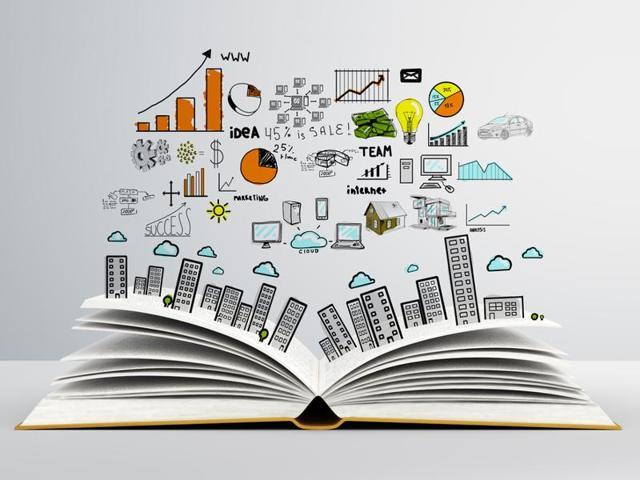
Engaging in Continuous Learning Opportunities
Continuous learning and professional development are crucial for staying updated with the latest trends and best practices in project management. This commitment to learning ensures that project managers remain competitive and effective in their roles.
Strategies for Acquiring and Developing Essential Project Management Skills:
Attend Industry Events, Conferences, and Seminars: These gatherings provide a platform to learn from industry experts, gain insights into emerging trends, and network with peers. Events such as the PMI Global Conference or Agile Alliance’s Agile conferences offer valuable opportunities to enhance your knowledge.
Regular attendance can also help you accumulate Professional Development Units (PDUs), which are essential for maintaining certifications like PMP Certification.
Join Professional Associations or Communities: Membership in professional associations such as the Project Management Institute (PMI) or the Association for Project Management (APM) offers access to a plethora of resources. These organizations provide webinars, workshops, and publications that support ongoing skill development.
Engaging with these communities enables you to share experiences, seek advice, and stay informed about industry standards and practices.
Importance of Continuous Learning:
Continuous learning is not just about gaining new knowledge but also about refining existing skills. Staying abreast of the latest methodologies, tools, and technologies ensures you can lead projects more effectively. For instance:
PMP Certification holders need to stay updated with changes in the PMBOK Guide.
Those holding agile certifications must keep pace with advancements in agile practices to manage dynamic, iterative projects successfully.
Embrace continuous education as a way to future-proof your career in project management, ensuring you are always prepared to tackle new challenges with confidence and expertise.
Conclusion
Having a well-rounded set of project management skills is crucial for driving successful project outcomes and advancing your career as a project manager. This comprehensive skill set enables you to navigate complex challenges, foster effective teamwork, and deliver projects that meet or exceed stakeholder expectations.
Frequently Asked Questions
What are project management skills and why are they important?
Project management skills are essential competencies that enable project managers to plan, execute, and oversee projects effectively. They are crucial for ensuring successful project outcomes and driving career advancement in the field of project management.
What key categories of project management skills will be discussed in this article?
This article will discuss the key categories of project management skills, including hard skills, soft skills, and technical skills that every project manager should possess. Practical tips for developing these skills will also be provided.
What are hard skills in the context of project management?
Hard skills in project management refer to the technical and specific abilities required to perform tasks related to planning and executing projects. They include skills such as project planning, scoping, and road mapping.
Why are soft skills important for project managers?
Soft skills are crucial for fostering strong team dynamics and stakeholder relationships throughout the project lifecycle. They include collaboration, communication, leadership, and adaptability, which are essential for effective project management.
How can project managers acquire technical skills relevant to their role?
Project managers can acquire technical skills relevant to their role by learning how to effectively utilize tools and technologies for planning, monitoring, and controlling projects. This includes mastering task management, using Gantt charts, and leveraging project management software.
What are the benefits of obtaining project management certifications?
Obtaining globally recognized project management certifications, such as the PMP Certification, validates expertise and enhances credibility in the field. Additionally, popular agile certifications can be relevant for project managers working in dynamic, iterative environments.
Why is continuous learning important for project managers?
Continuous learning is important for project managers to stay updated with the latest trends and best practices in project management. By attending industry events, conferences, and seminars, and joining professional associations or communities, they can acquire and develop essential project management skills.
What is the significance of cultivating a well-rounded set of project management skills?
Cultivating a well-rounded set of project management skills is crucial for driving successful project outcomes and advancing in one’s career as a project manager. It enables individuals to assess their skill gaps and create a plan for continuous improvement in critical areas for project management success.


![Accidental Project Management | Understanding Qualitative Risk Assessment [Key Techniques and Benefits]](https://i0.wp.com/accidentalprojectmgmt.com/wp-content/uploads/2024/03/footer_logo.png?fit=262%2C62&ssl=1 "Accidental Project Management | Understanding Qualitative Risk Assessment [Key Techniques and Benefits]")